
No Confidence Motion: Parliament’s Budget Session set to resume: What to expect as Centre–opposition showdown looms | India News
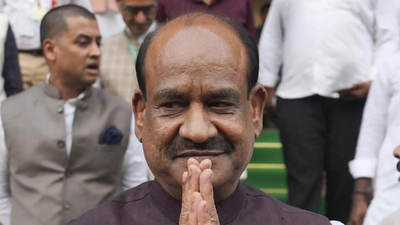
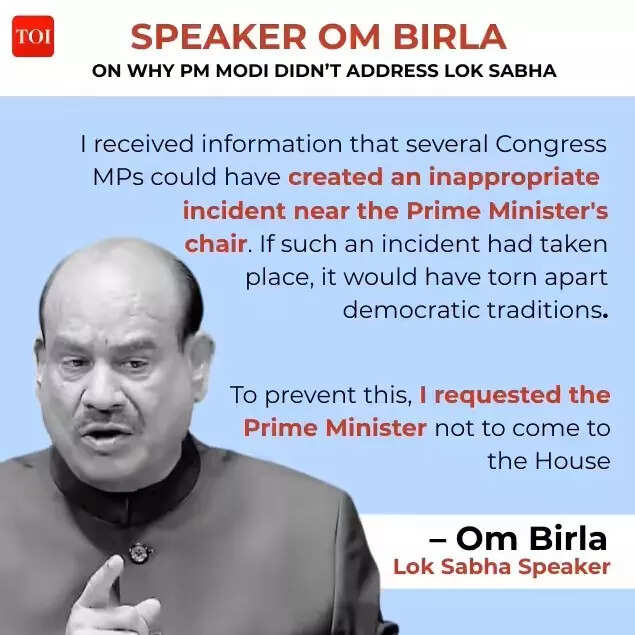
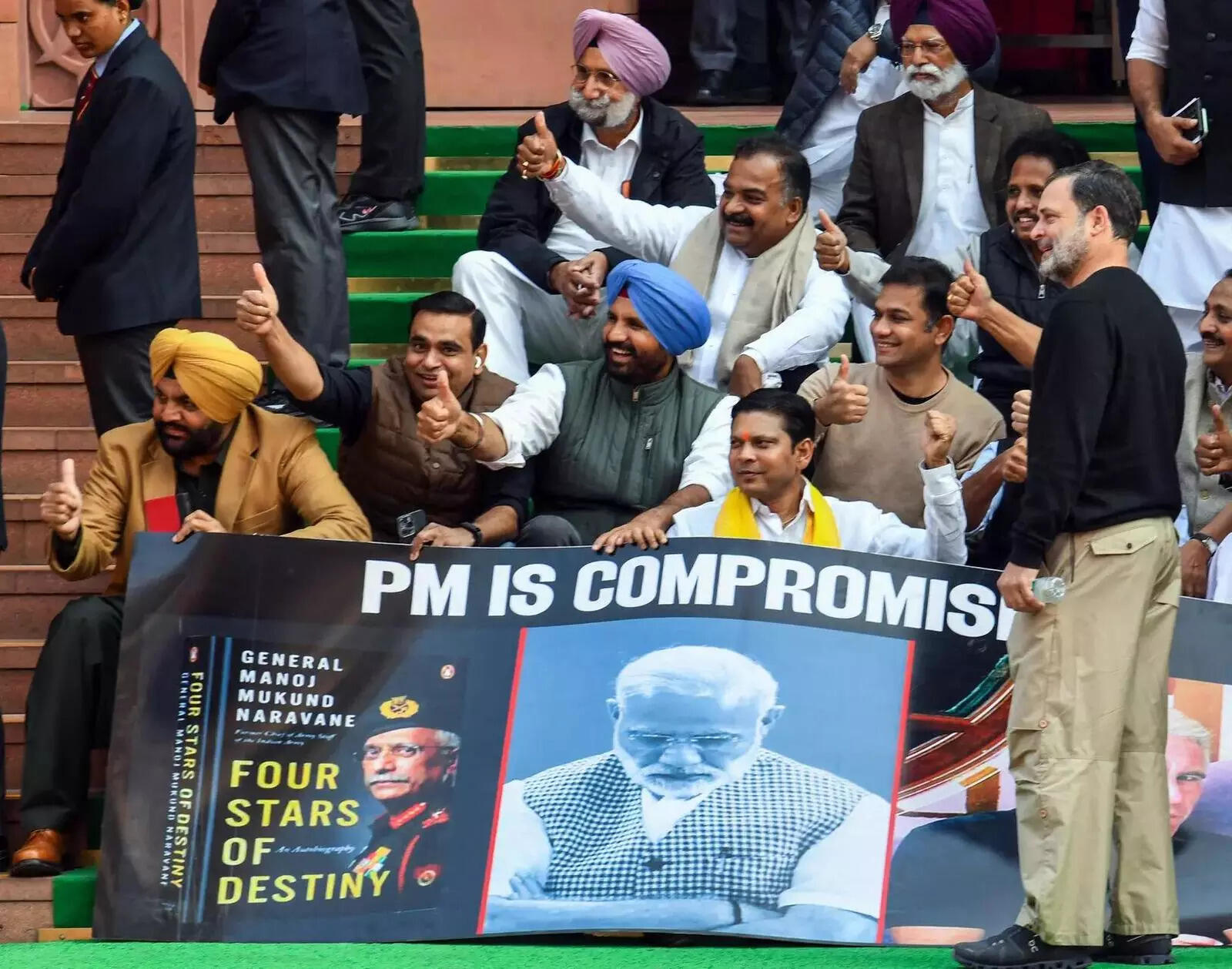
NEW DELHI: Sometimes symbolism trumps intent in Parliament. The opposition appears to be embarking on one such endeavour as its no-confidence motion against Lok Sabha Speaker Om Birla is set to come up for discussion and voting when the second half of the Budget Session resumes on Monday.In the first part of the session, the opposition accused the Chair of partisan functioning, stitching together a series of flashpoints including the alleged denial of speaking time to leader of opposition Rahul Gandhi and the suspension of MPs.
Now, as MPs prepare to vote on a motion widely expected to be defeated, the specifics of Birla’s conduct may remain incidental, with the debate instead turning into a political stage for parties to position themselves ahead of upcoming assembly elections. Additionally, the opposition is likely to attempt to corner the government on issues like US tariffs and the Jeffrey Epstein files.While the motion is unlikely to succeed given the numbers in the House, the debate may also become a platform for parties to position themselves ahead of upcoming assembly elections.
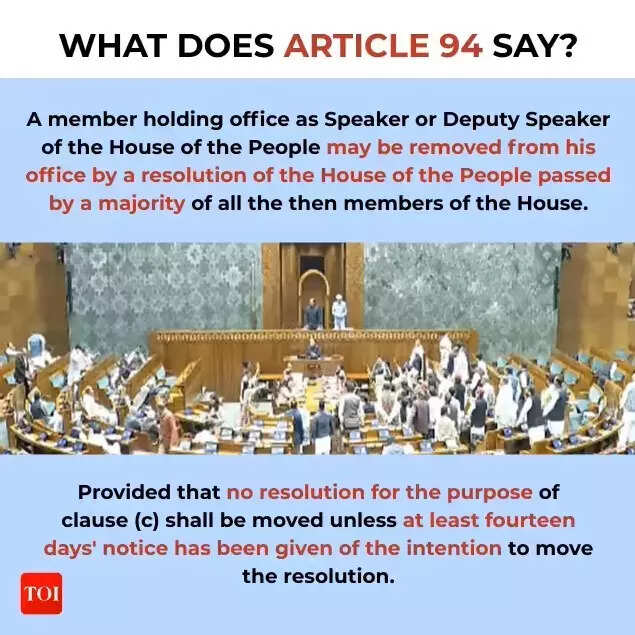
The motion appears largely symbolic and a case of political posturing, as the removal of the Lok Sabha Speaker requires an effective majority that is, a majority of the present strength of the House, excluding vacant seats.Given the numbers in the 543-member Lok Sabha, the opposition faces an uphill task in securing the required majority.Opposition’s unity showHowever, the INDIA bloc is likely to use the debate as an opportunity to project unity ahead of the high-stakes assembly elections in states like Tamil Nadu, West Bengal and Kerala.This comes amid signs of strain within the opposition bloc, after several leaders called for a leadership rejig.Earlier, veteran Congress leader Mani Shankar Aiyar said that West Bengal chief minister Mamata Banerjee is central to the survival of the opposition’s INDIA bloc. Meanwhile, leaders from Shiv Sena (UBT) and Sanjaya Baru, who served as media adviser to then prime minister Manmohan Singh, have also suggested that “new ideas should” lead or manage the INDIA bloc.
Trinamool Congress had initially decided not to back the resolution, leading to confidence among treasury bench members that Birla could receive support from outside the opposition bloc as well. However, it is now reported that TMC MPs are likely to support the motion following directions from party chief Mamata Banerjee.Additionally, Congress and DMK are expected to present a show of unity, even as negotiations continue between the two parties over seat-sharing for the Tamil Nadu polls.Meanwhile, Congress has also issued a whip to its Lok Sabha members, asking them to ensure their presence in the House for three days as it seeks to marshal maximum strength, since a division of votes is expected.What can we expect?Beyond the Speaker’s conduct, the opposition is expected to broaden the debate and raise several other issues. Among the matters likely to be raised are the proposed India–US trade deal, Russian oil imports, the Israel–Iran conflict, and the Epstein files.Accusing the prime minister of “selling out” the country through the proposed trade deal with the US, Rahul Gandhi in his speech had said, “the trade deal you’ve struck with America, in which you’ve sold out the country, that’s what shame is. You’ve handed over our country’s data. You’ve wiped out the farmers. You’ve ruined the textile industry — that’s what shame is”.The treasury benches also appear prepared to mount a strong defence of Lok Sabha Speaker Om Birla. A clear signal came when the government sent Birla to represent India at the swearing-in ceremony of Tarique Rahman as prime minister of Bangladesh on February 17.With parliamentary affairs minister Kiren Rijiju leading the charge, the ruling side is likely to counter the opposition by accusing it of politicising an issue unrelated to the functioning of the House.
Additionally, the government is expected to raise the alleged “insult” to President Droupadi Murmu after the West Bengal government changed the venue of the International Santhal Conclave that she was scheduled to attend.Just days ahead of the resumption of the Parliament session, Prime Minister Narendra Modi criticised the West Bengal government, calling the episode “shameful and unprecedented.”“Everyone who believes in democracy and the empowerment of tribal communities is disheartened. The pain and anguish expressed by Rashtrapati Ji, who herself hails from a tribal community, has caused immense sadness among the people of India. The TMC government of West Bengal has truly crossed all limits. Their administration is responsible for this insult to the President,” Modi said in a post on X.“It is equally unfortunate that a subject as important as Santhal culture is treated so casually by the West Bengal government. The office of the President is above politics, and the sanctity of this office should always be respected. One hopes better sense prevails among the West Bengal government and TMC,” he added.The ruling side may also target the Congress in the House over its plan for a controversial shirtless march at Bharat Mandapam during the AI summit in Delhi.Historical precedentsAlthough rare, such motions have in the past been used to question the moral authority of the Chair rather than to actually remove the Speaker.Earlier in 2024, the opposition moved a similar motion against then Rajya Sabha Chairman and Vice-President Jagdeep Dhankhar.However, Deputy Chairman Harivansh dismissed the motion, terming it an act of impropriety that was severely flawed and drawn up in haste to tarnish the reputation of the Vice President.At least 60 opposition members had signed the notice seeking Dhankhar’s removal on December 10.History also records at least three instances since Independence when a motion was moved to remove the Speaker.The first was against India’s first Lok Sabha Speaker G V Mavalankar in 1954, after MP Vigneshwar Misra alleged that the Speaker was not impartial.In 1966, opposition MPs moved a motion against Speaker Sardar Hukum Singh, with Madhu Limaye leading the charge, while Deputy Speaker S V Krishnamoorthy Rao presided over the proceedings.The third motion was moved on April 15, 1987, seeking the removal of Speaker Balram Jakhar, with CPI(M) MP Somnath Chatterjee leading the move and Deputy Speaker Thambi Durai presiding. The motion was ultimately rejected by the House.While the motion is unlikely to alter the Speaker’s position, the debate around it is expected to set the stage for the upcoming electoral battles in the states.