

Energy shock response gathers pace as IEA agrees record 400 million-barrel oil release amid US-Iran war
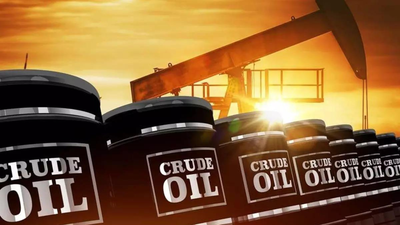
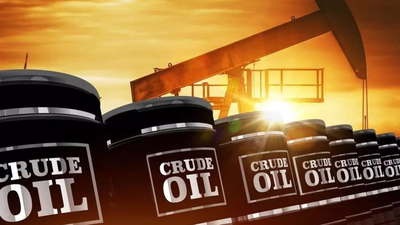
A coordinated global effort to stabilise volatile energy markets gathered pace on Wednesday after the International Energy Agency (IEA) agreed to release the largest volume of emergency oil reserves in its history amid escalating tensions in the Middle East.According to an AP report, the Paris-based agency will make 400 million barrels available from members’ strategic reserves –significantly higher than the 182.7 million barrels released in 2022 following Russia’s invasion of Ukraine.IEA member nations currently hold over 1.2 billion barrels of public emergency oil stocks, along with an additional 600 million barrels of industry stocks maintained under government obligation.
Conflict disrupts global oil flows
The decision follows a sharp deterioration in the regional security situation after Iran, responding to US and Israeli strikes, attacked commercial shipping across the Persian Gulf and effectively halted cargo movement through the Strait of Hormuz — a key passage for about one-fifth of global oil shipments.Iran has also targeted oil fields and refineries in Gulf Arab countries, aiming to generate economic pressure on the United States and Israel to halt their military actions. The IEA said export volumes of crude and refined products have dropped to less than 10 per cent of pre-war levels.
Countries begin releasing reserves
Germany and Austria confirmed they would release parts of their strategic reserves following the IEA’s request, while Japan said it would start drawing down some stocks from Monday.Germany’s economy minister Katherina Reiche said Berlin would act in line with the agency’s call “to release oil reserves amounting to 400 million barrels, which is a good 54 million tons,” adding that the first deliveries could begin within days.“Germany stands behind the IEA’s most important principle of mutual solidarity,” she said.Austria’s economy minister Wolfgang Hattmannsdorfer said Vienna would also release part of its emergency oil reserves and extend the national strategic gas stockpile. “One thing is clear: in a crisis, there must be no crisis winners at the expense of commuters and businesses,” he said.
G7 backs use of strategic stocks
Energy ministers of the Group of Seven had earlier expressed support in principle for “the implementation of proactive measures to address the situation, including the use of strategic reserves” following discussions at IEA headquarters in Paris.Emergency reserves have been deployed in past supply disruptions, including during conflicts in Iraq, Libya and, most recently, the Ukraine war, as governments sought to contain sharp spikes in global energy prices.