
Praggnanandhaa’s invisible second: The making of Vaibhav Suri | Chess News
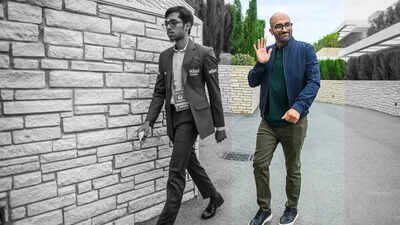
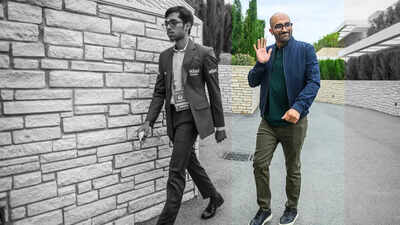
NEW DELHI: FIDE Master (FM) Prasenjit Dutta, a man whose life has been a series of tactical gambles and late-game recoveries, runs a renowned academy in the heart of New Delhi. For years, he followed a predictable ritual. Whenever a particularly gifted student walked through his doors, Dutta would pick up the phone and call his former protégé, India’s 27th Grandmaster, Vaibhav Suri. He would ask for a tip, or, as it could be said, a brief intervention to sharpen a young mind. Vaibhav would almost always say, “Sure, Sir.” But now, that ritual has been put to a pause.The shift has nothing to do with a fraying of their bond, which Dutta describes as more filial than professional. It has everything to do with the fact that Suri has vanished into the high-stakes war room of 20-year-old R Praggnanandhaa. As the young phenom battles at the highest levels of international chess, Suri, now 29, stands behind him as the primary architect of his preparation.
“Now, he is fully focused (on Praggnanandhaa),” Dutta told TimesofIndia.com during an exclusive conversation. “He tells me, ‘Sir, you know everything. I don’t want to divert my mind.’ I tell him, ‘Son, I want to hear exactly this from you.’”
The 3,000-rupee heartbreak
To understand the man behind Praggnanandhaa’s success in recent years, one must first understand the one who built Suri. Prasenjit Dutta’s journey began in the remote chess landscape of Agartala, Tripura, in 1989. By 1995, he was the National Sub-Junior Champion, India’s youngest FIDE Master, and a prodigy destined for the world stage in Brazil.But when it mattered, the clock ran out on his finances. “Due to FIDE’s final fee of 3,000 rupees, I couldn’t pay,” Dutta recalled. “As a result, I stepped away from chess for nearly three years. I thought nothing would come of playing because I couldn’t do anything due to financial reasons.”Dutta eventually returned, fuelled by the sight of his peers’ names in newspapers. He became a seven-time state champion and a university gold medallist. Two decades ago, he gradually started coaching children.At a tournament in Kerala with three of his students, a local paper dubbed him “the youngest coach in India”. It was there that he met a Delhi boy named Aditya Vikram Ahuja. Agreeing to the father’s request to visit Delhi and coach his son, Dutta began teaching occasionally. It was not a regular arrangement, as his academy still ran in Tripura.
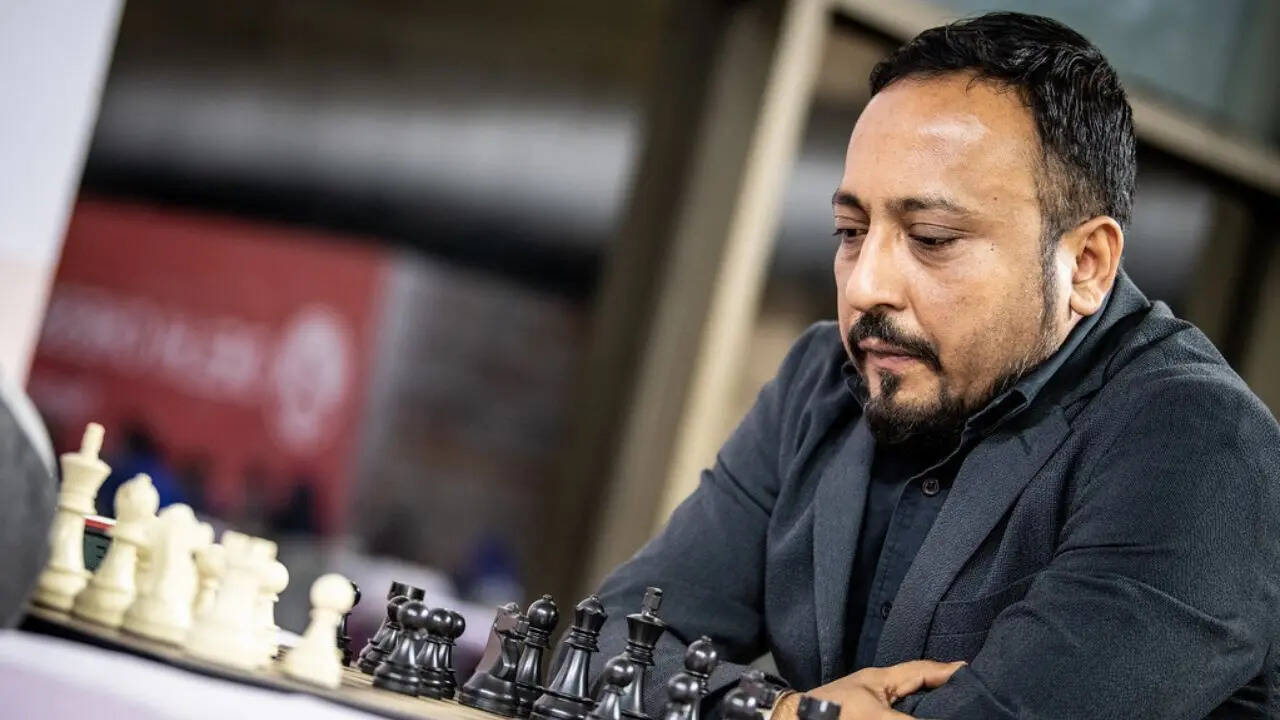
Prasenjit Dutta (Photo by David Llada)
It was at a state championship in Delhi that he first met Vaibhav’s father, Nitin Suri.“He saw Aditya’s performance improving and asked me, ‘Sir, where do you live? Can you coach?’ I said, ‘Yes, I will coach.’ But at that time, I wasn’t fully set on staying in Delhi,” Dutta told this website.The turning point came when Bharat Singh Chauhan, President of the Delhi Chess Association (DCA), visited Tripura. He toured Dutta’s small academy and saw potential in the young coach. “Prasanjit, come to Delhi. I will help you. We need more coaches, and your highest rating was 2317. I’ve known you for a long time. Come to Delhi. I will support you,” Chauhan told him. That personal encouragement convinced Dutta to relocate.“I had two months left for my MA final exams. His father kept saying, ‘Sir, please, please.’ I thought, okay, I have an opportunity here. I’ll try. If I am unable to appear for the exam, I can take it again,” Dutta recalled.By August 2006, he was in Delhi training Vaibhav.
Vaibhav Suri, a boy with the chessboard
Now that Dutta was in Delhi, grinding alongside a nine-year-old Vaibhav became their routine. What he found was a student whose stamina defied his age.“From August 2006, I trained him, eight to nine hours a day,” Dutta remembered. “I was giving every bit of effort. I also played cricket and football at the state level. But teaching here from morning to evening, I felt, ‘Oh my God! I have never taught this long before.’”While the coach wilted under Delhi heat and mental strain, the student thrived. “The plus point was that when we had long classes, my body would get tired, but the boy seemed energised, pumped up, crazier about chess. This was the first time I was seeing something like this in a child,” he said. “Even after seven hours of training, he still had the energy to learn. I haven’t seen any student with that kind of energy in class.”
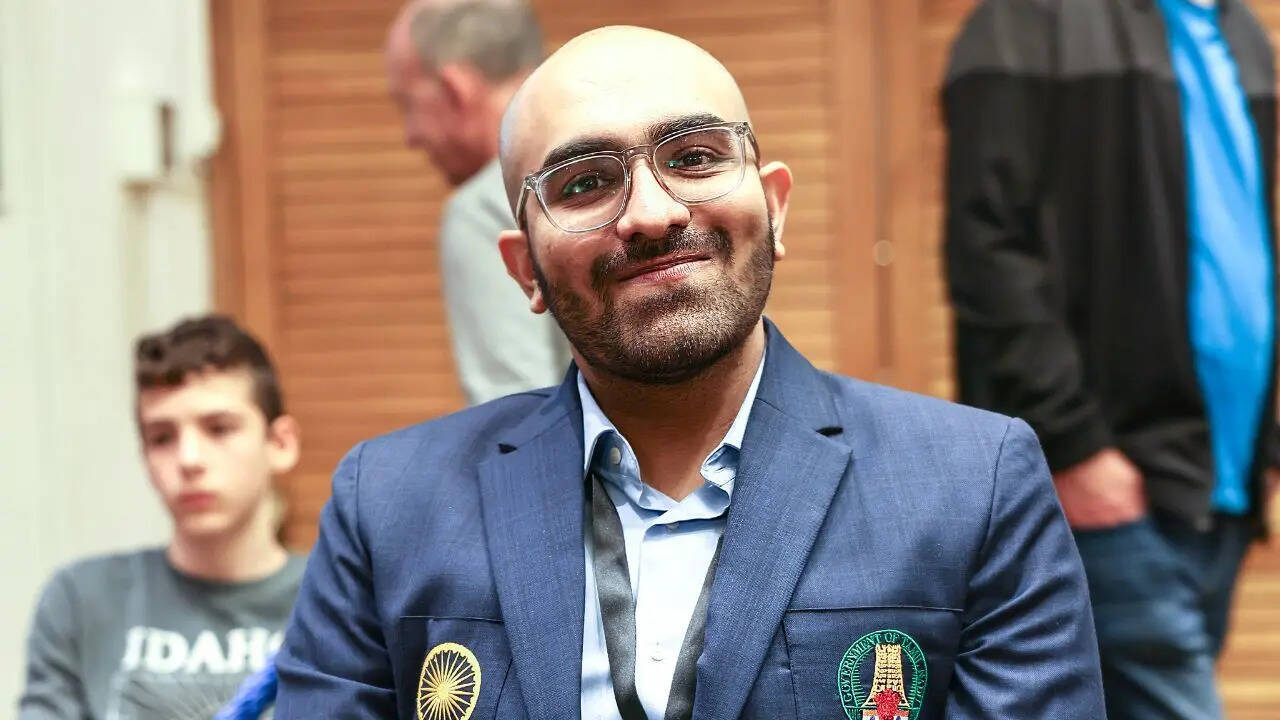
Vaibhav Suri (Special Arrangements)
Suri’s devotion was visceral. “From the beginning, he loved chess intensely,” Dutta recalled. “Over the years, I saw that he never let go of his chessboard and his bag with chess pieces. Even when he slept, he would keep it close to him. I used to ask, ‘What’s so special about this? Why won’t you let anyone else touch it?’”In an age of digital distractions, the young Suri was an anomaly. There was no television, no idle wandering. If a class was scheduled for 2 PM and Dutta was five minutes late, he would be on the call: “Sir, where have you been? Come quickly.”
The confidence without show-off
As years passed, their relationship evolved into a friendly competition. Dutta, in his twenties and hovering around a 2300 rating, raced against a pre-teen Suri to see who would secure the International Master (IM) title first.“Wherever he plays, I will play too,” Dutta said. “It was a complete family vibe. His family treated me like their own son.”Suri’s first national tournament, the Under-9 in Solapur, saw him finish second. Later, he was selected for the Asian and World Championships. “That’s when I got my first laptop, gifted by his father, for proper coaching,” Dutta smiled.
I feel proud inside that he chose a good player in Praggnanandhaa and focused seriously.
FM Prasenjit Dutta, Vaibhav Suri’s former coach
Suri already demonstrated a depth of calculation surpassing his mentor. Dutta would test him with complex positions from books.“I did it just to check,” Dutta added. “White king here, rook here, knight here. He gave the correct answer. Carefully, he would think for five minutes and answer again. He finished a whole book with me this way. I was amazed. I knew then that this player would be very hard to stop.”Suri’s style became defined by solid, positional understanding, allowing him to play with terrifying confidence. Dutta recalls a state championship where Suri faced a stronger opponent.
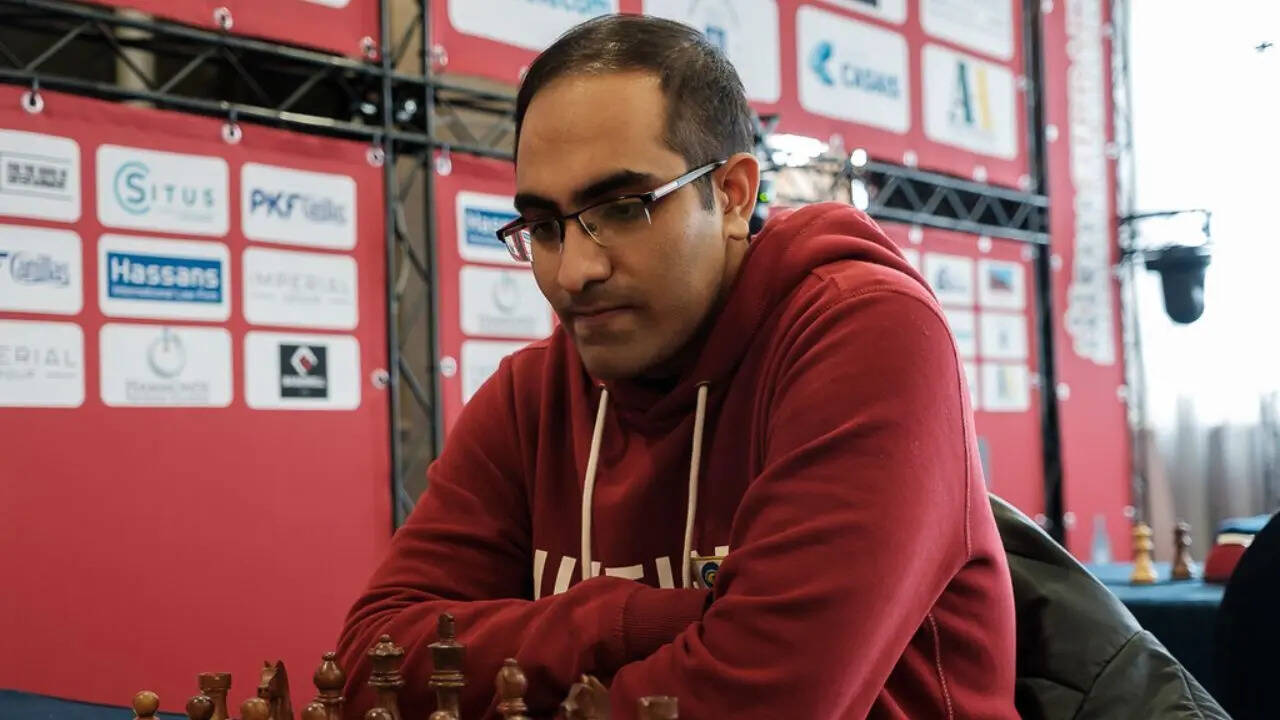
Vaibhav Suri (Special Arrangements)
“He said, ‘Sir, my next round is against this tough guy. What should I play?’ I casually told him, ‘Play the Pirc Defense.’ I never gave him a full preparation or showed him the line. Yet he went and won. What confidence! I could never tell anyone else, ‘Just play this and you will win.’”Vaibhav Suri became India’s 27th Grandmaster in 2012. Known as the cool and composed one on the circuit, he would speak very little but calculate everything on the board.It is these traits, lack of need for publicity, refusal to show off, that have made him the perfect second for R Praggnanandhaa. READ ALSO: ‘We saw tanks on the road’: How playing chess amid regional conflict feelsIn the modern era, a second is part sparring partner, part data analyst, and part psychological anchor. Suri, with his exceptional positional style and total immersion, has become the invisible hand behind Pragg’s most daring manoeuvres.“He never seeks publicity,” Dutta concluded. “Even on camera, he remains calm. I feel proud inside that he chose a good player in Praggnanandhaa and focused seriously.”